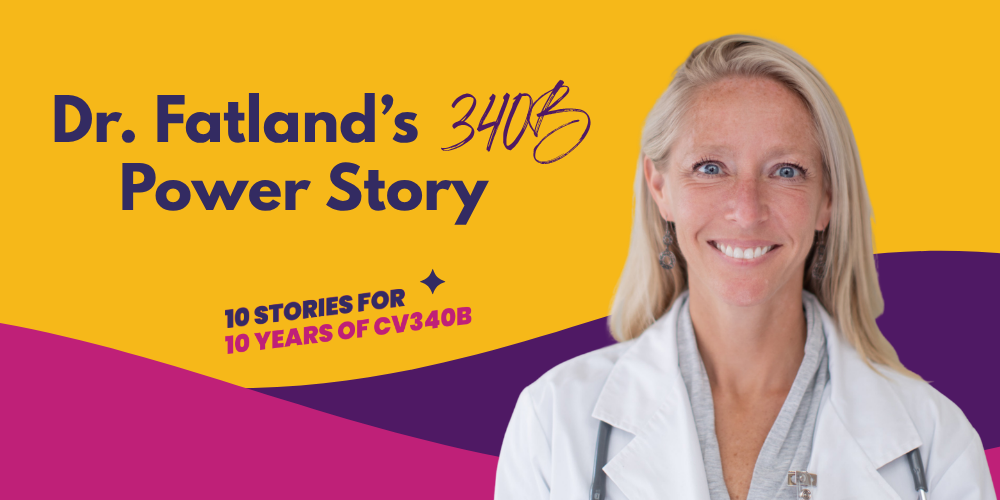
Dr. Sarah Fatland, CMO at Vista Community Clinic, on how 340B savings help sustain more than 100 programs serving vulnerable patients across Southern California.
What began in 1972 as a volunteer-run clinic operating out of the basement of a Vista animal shelter has grown into one of Southern California’s largest community healthcare networks.
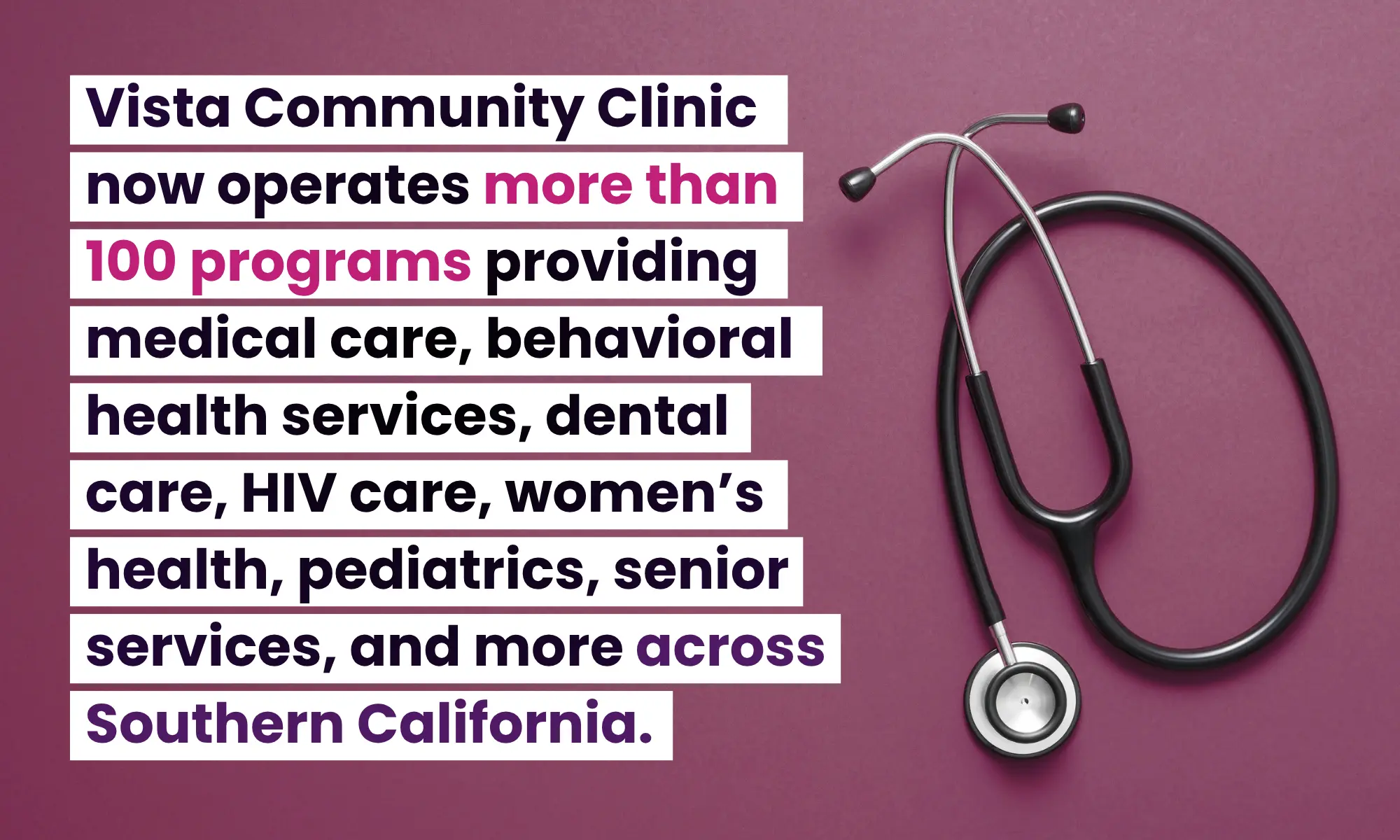
Today, Vista Community Clinic (VCC) serves patients across San Diego, Riverside, Orange, and Los Angeles counties through more than 100 programs spanning medical care, behavioral health, dental services, HIV care, women’s health, pediatrics, senior services, and more.
Behind that growth is a mission to care for people who might otherwise fall through the cracks of the healthcare system. There is an important recognition that sustaining access to care requires more than clinical services alone.
For Dr. Fatland and VCC’s multi-disciplinary 340B Team, the 340B Drug Pricing Program has become a critical part of that foundation.
Building a Healthcare System Around Patients
From a financial perspective, Dr. Fatland sees 340B savings as far more than just a funding source. They are part of what allows VCC to continue fulfilling its mission while sustaining care for vulnerable communities across Southern California.
In 2025, VCC generated more than $3.8 million in net 340B savings that directly supported patient care and critical services across the organization. Those savings represented approximately 5% of VCC’s patient revenue or about $9 per visit while helping offset ongoing financial pressures tied to maintaining care access for thousands of patients.
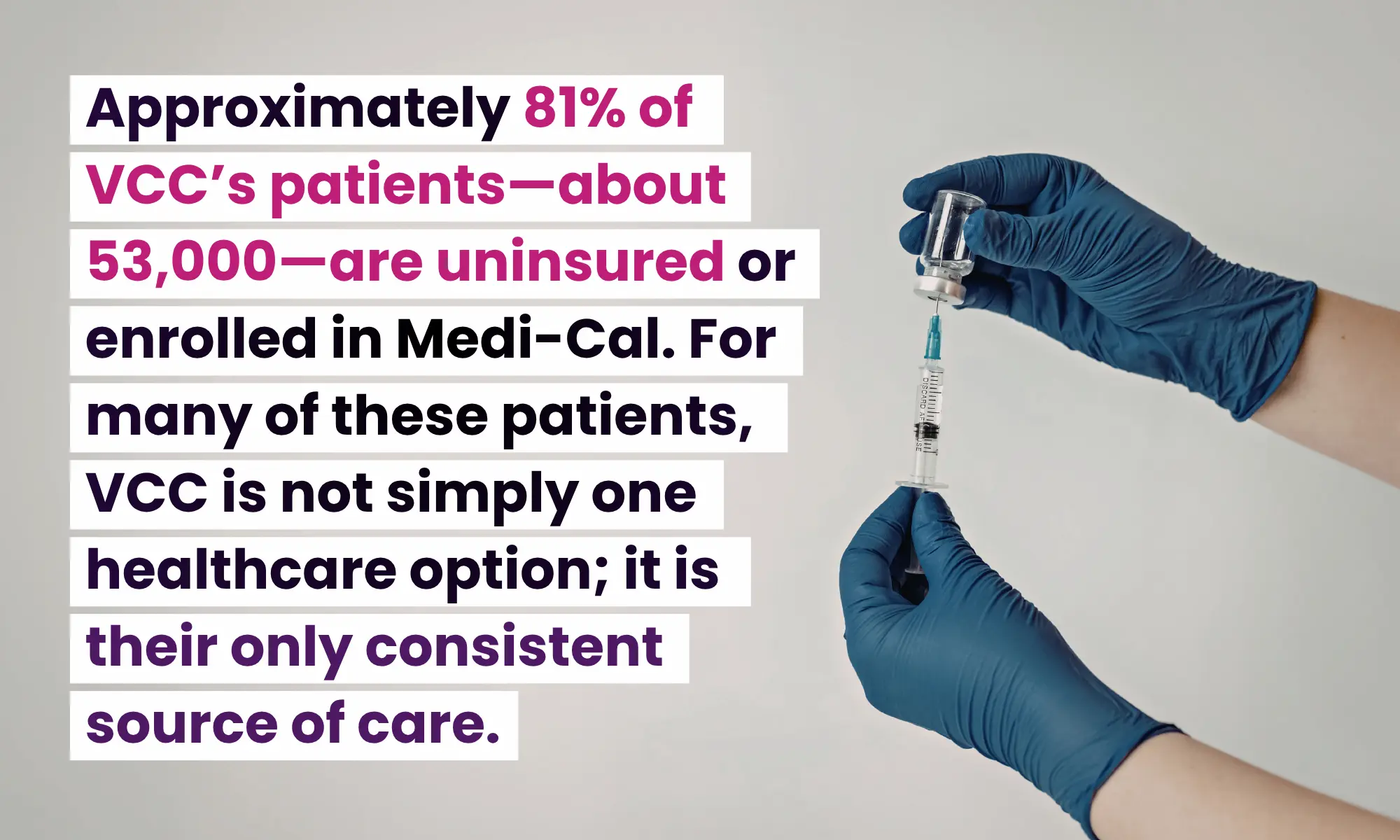
For many patients, access to care extends far beyond a doctor’s appointment. It means helping people navigate transportation barriers, financial hardship, language access challenges, and the complexities of maintaining long-term treatment.
340B savings help support:

Reduced-cost medications that help patients afford the treatment they need

Patient support services that help people navigate transportation, financial, and language barriers to care

Insurance enrollment assistance for patients trying to access coverage

Behavioral health programs and chronic disease management services

Community health workers who help patients stay connected to long-term treatment and care
From “Too Good to Be True” to Essential Infrastructure
Fernando Sañudo, VCC’s CEO, joined the organization in 1987 and helped shape much of its growth and mission over the past several decades. He was a strong advocate for VCC’s participation in the 340B program when it was still relatively new.
At the time, there was hesitation because the program seemed almost “too good to be true.”
But through persistence, research, and a belief in what the program could mean for patients, VCC ultimately moved forward. Looking back, that decision helped strengthen VCC’s ability to grow while protecting access to care for thousands of vulnerable patients.
Today, the impact of those resources is evident throughout the organization. These resources help sustain staffing and pharmacy operations, enabling patients to afford life-changing medications that would otherwise remain out of reach.
When Affordable Medication Changes Everything
The impact of 340B-supported care becomes most visible in the lives of patients facing impossible healthcare costs.
One underinsured patient living with diabetes was prescribed Jardiance through an outside pharmacy but was unable to afford the nearly $600 copay. As a result, the prescription simply went unfilled. During a follow-up visit, the VCC clinician discovered that the patient had gone without the medication due to cost and redirected the prescription to VCC’s in-house 340B pharmacy. Through 340B pricing and VCC’s sliding-fee discount program, the patient obtained the medication and resumed life-giving treatment.
Another patient, who was uninsured and living with severe arthritis, was prescribed a biologic medication that costs approximately $7,000 per month through a retail pharmacy. Without treatment, the patient’s mobility and quality of life were rapidly declining. Through VCC’s in-house pharmacy, the medication became affordable, allowing the patient to begin treatment and regain daily function.
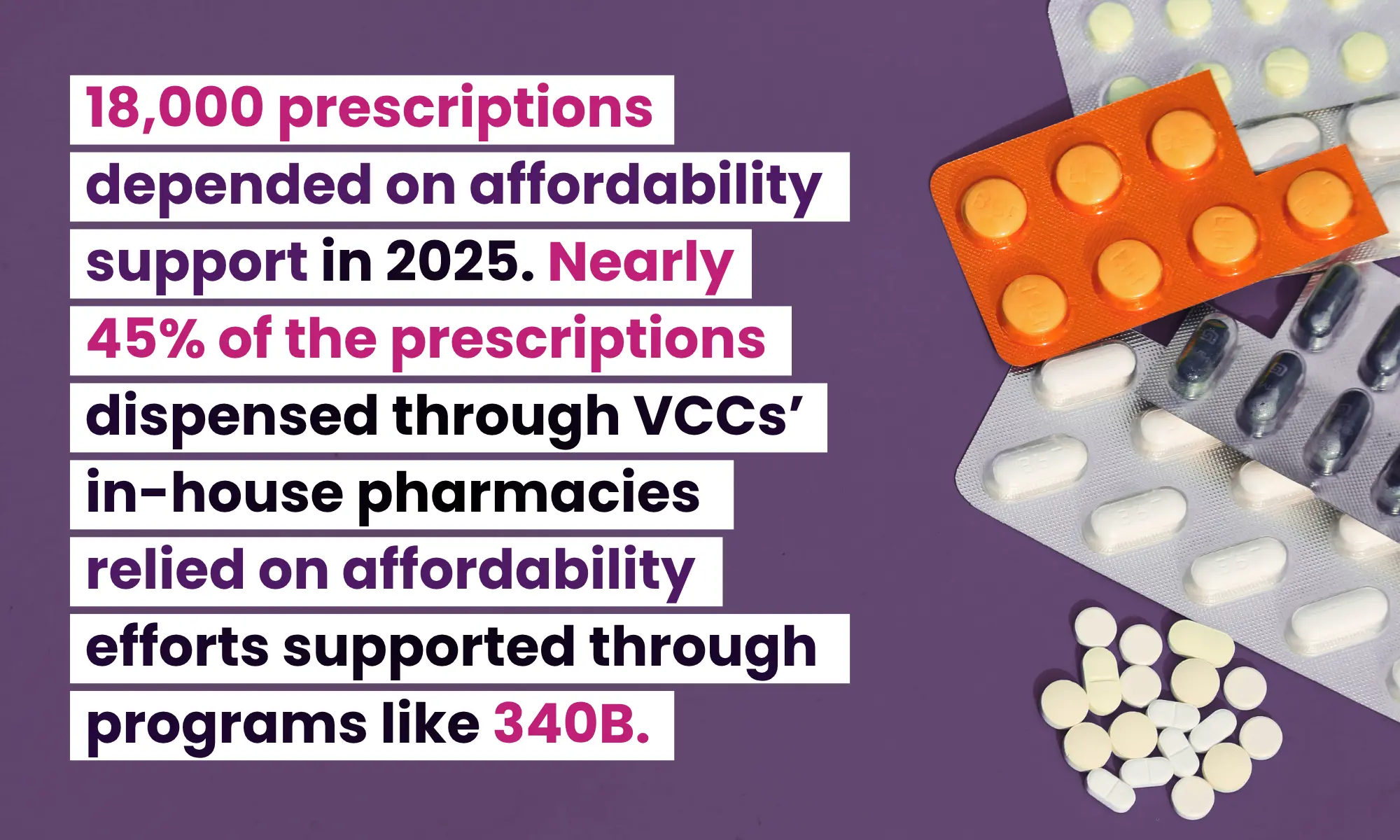
For Dr. Fatland and the VCC team, stories like these are not rare exceptions. They reflect the reality many patients face every day, where access to life-changing medication often depends on whether affordable options exist at all.
What’s at Risk
A reduction or loss of 340B resources would have a profound impact not only on VCC’s operations, but on the lives of the patients and families who depend on these services every day.
Medication affordability programs, sliding fee discounts, in-house pharmacy services, care coordination, and other support services would all be affected. Patients who are already struggling financially would face even greater barriers to accessing medications and maintaining treatment for chronic conditions.
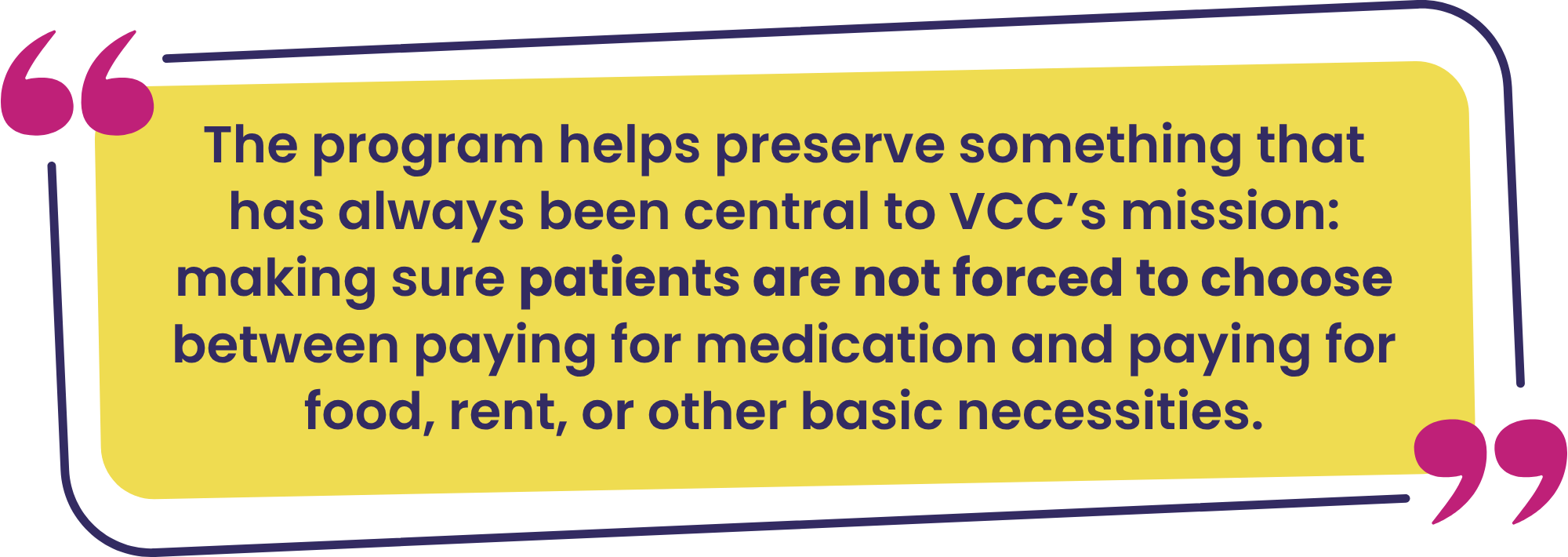
The impact would be especially severe because many VCC patients already live paycheck to paycheck and rely on VCC not only for healthcare, but for stability and continuity of care.
Without these resources, more patients would delay treatment, stop taking medications, experience worsening chronic disease, and ultimately require more emergency and hospital care.
But for VCC, the greatest loss would be the erosion of a safety net that generations of staff, volunteers, advocates, and healthcare providers have worked for decades to build for the community.
If this story resonates with you, we invite you to stand with us to defend the 340B program and help ensure communities across the country have access to essential healthcare.
Here are ways you can take action and make a difference:

Subscribe to #Defend340B Action Alerts
Get all the latest from CV340B and stay connected with the #Defend340B community!
"*" indicates required fields